
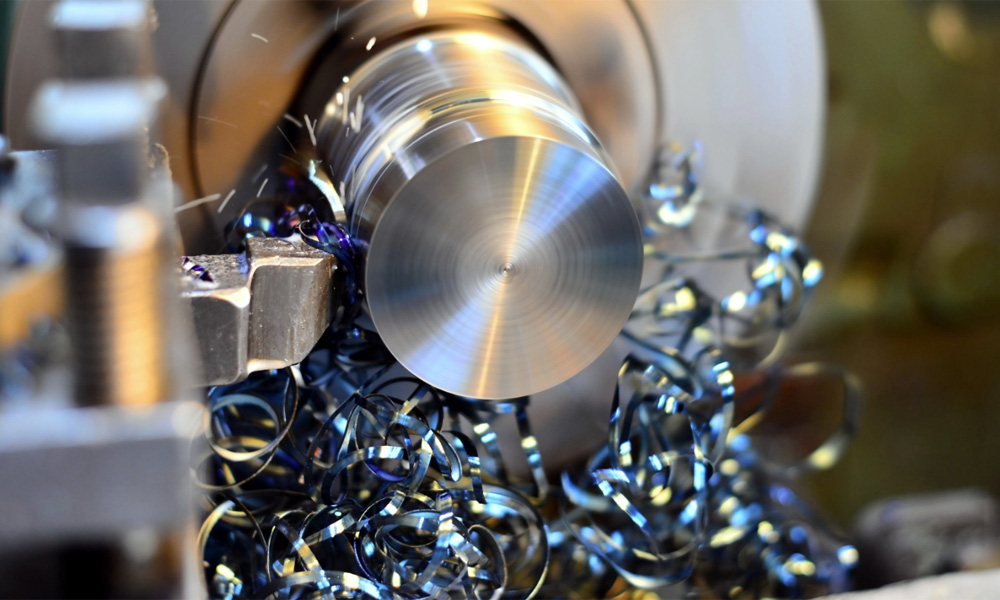
When it comes to machining, most people focus on cutting speed, feed rate, and tool type. But one factor that’s often overlooked – and can make or break your operation – is chip evacuation. Proper chip removal isn’t just about keeping your workspace clean; it directly affects both tool life and part quality.
For tips on avoiding setup errors that cause scrap, check out Common Setup Mistakes That Lead to Scrap Parts.
Let’s break down why chip evacuation matters, how it impacts your tools and parts, and what you can do to optimize it in your shop.
Why Chip Evacuation Matters
When a cutting tool slices through metal, it produces chips – long, short, thick, or thin depending on your material and machining parameters. These chips need to be removed efficiently. If they aren’t, they can cause several problems:
- Tool damage – Chips can scratch or gouge the cutting edge, leading to premature wear.
- Heat buildup – Chips that linger around the cutting zone trap heat, which accelerates tool wear and can even deform the part.
- Surface finish issues – Chips left in the cut can mar the workpiece, leaving scratches, chatter marks, or rough finishes.
- Machine stress – Excessive chips can jam machinery or interfere with coolant flow, reducing overall efficiency.
In short, chip evacuation is not just housekeeping – it’s a key factor in producing high-quality parts while protecting your investment in tooling.
How Chips Affect Tool Life
Tool life is all about how long a cutting tool can maintain performance before it needs to be replaced. Improper chip removal is one of the most common culprits for early tool failure. Here’s how:
- Mechanical wear – When chips are trapped against the cutting edge, they act like sandpaper, slowly wearing down the tool.
- Thermal wear – Chips that don’t clear the cutting zone retain heat. High temperatures soften the tool material, dull edges faster, and reduce tool lifespan.
- Built-up edge (BUE) – Chips can adhere to the cutting edge, creating a BUE that reduces cutting efficiency and can break off, damaging the tool and workpiece.
Even a minor improvement in chip evacuation can extend tool life significantly. For example, using high-pressure coolant or improving flute design in end mills can prevent chip buildup and extend cutting edge life by 20-30% in some cases.
For guidance on keeping your machining process efficient, see Signs Your Machining Process Needs a Refresh.
Impact on Part Quality
Poor chip evacuation doesn’t just hurt your tools – it also affects your finished parts. Common problems include:
- Surface imperfections – Chips rubbing on the workpiece leave scratch marks, dents, or chatter patterns.
- Dimensional inaccuracies – Chips caught in the cut can push the tool off-course, creating oversize or undersize features.
- Material deformation – In softer metals like aluminum, trapped chips can cause burrs, dents, or warped edges.
By keeping chips out of the way, you maintain the cutting edge’s precision and ensure your parts meet tolerance requirements.
You can also check out Annular Cutters – For That Perfect Hole for techniques that minimize part damage when cutting holes.
Factors That Influence Chip Evacuation
Several variables affect how well chips are removed from the cutting zone:
- Tool geometry – Flute design, helix angle, and rake angle influence chip flow. Tools with deep flutes or specialized coatings often evacuate chips more effectively.
- Coolant & lubrication – Proper cutting fluid or high-performance lubricants help flush chips away, reduce heat, and prevent built-up edge.
- Cutting parameters – Feed rate, speed, and depth of cut impact chip size and shape. Smaller, well-controlled chips are easier to remove.
- Material type – Aluminum, steel, and titanium behave differently when machined. Some metals produce stringy chips that tangle, while others produce short, broken chips.
Understanding these factors allows machinists to tailor their process for maximum chip removal and minimal tool wear.
Best Practices for Optimizing Chip Evacuation
Here are some practical tips to improve chip evacuation in your shop:
1. Choose the Right Tool Geometry
- End mills with polished flutes reduce chip adhesion.
- Tools with more flutes can help clear chips faster in softer materials, while fewer flutes may work better in harder metals.
2. Optimize Cutting Parameters
- Adjust feed and speed to produce smaller, manageable chips.
- Avoid overly aggressive cuts that generate long, stringy chips prone to entanglement.
3. Use Effective Coolants & Lubricants
- Flood coolant or high-pressure through-tool coolant can force chips away from the cutting zone.
- For dry machining, use a water-based lubricant like Anchorlube to reduce friction and heat.
4. Regularly Inspect Tooling
- Check for chip buildup or edge wear between operations.
- Replace or resharpen tools before chips compromise the part.
5. Consider Chip Breakers
- Some tools come with chip-breaking features that produce shorter, more controllable chips.
- Short chips are easier to evacuate and reduce the risk of scratching the part.
Real-World Example
Consider a shop machining aluminum parts for automotive components. The machinists were experiencing premature tool wear and inconsistent finishes. By switching to a coolant-rich cutting process with tools featuring polished flutes and chip-breaking geometry, they:
- Reduced tool replacement frequency by 25%
- Improved surface finish quality and consistency
- Reduced downtime due to chip jams
This demonstrates how proper chip evacuation directly improves both tool life and part quality while lowering operational costs.
For drilling-specific tips, see Drilling Through Metal.
Conclusion
Chip evacuation might not be the first thing you think about when planning a machining operation, but it has a huge impact on your results. Efficient chip removal:
- Extends tool life
- Improves part surface quality
- Reduces heat and machine stress
- Minimizes downtime
For machinists and manufacturers looking to get the most out of their tools and materials, focusing on chip evacuation is a low-effort, high-impact strategy. With the right tools, cutting parameters, and lubrication, you can keep chips under control, your tools sharp, and your parts flawless.
At Anchor Lubricants, we understand the importance of proper lubrication and coolant solutions for optimized chip evacuation. The right fluids not only help move chips away but also reduce heat and friction, protecting both your tools and your finished parts.